AI Dermatology in 2026: SkinVision, DermAssist, MoleScope, Skin Cancer
AI dermatology in 2026 — SkinVision, VisualDx, DermAssist by Google, MoleScope, FDA-cleared SkinScreen. Skin cancer detection, primary-care use, demographic bias.

A patient in a primary-care surgery in Sydney has the family GP photograph a mole on her back with a SkinVision-style phone app linked to the clinic’s referral workflow. The AI returns a probability of malignancy and a referral recommendation; the GP sends the image set to a tele-dermatology service which, in turn, runs a second-opinion AI before a remote consultant signs off the case. Forty-eight hours later the patient has a punch-biopsy appointment. This is the stepped tele-dermatology pathway that several national healthcare systems and most major Australian, Dutch, and German private insurers now reimburse.
Dermatology is one of the most accessible domains for AI — the input is a photograph, the disease space is well-bounded, and access to dermatologists is geographically uneven everywhere. The 2026 picture is more mature than five years ago, with credible clinical evidence, FDA clearances on the skin-cancer-detection side, and meaningful primary-care deployments. It also carries some of the clearest documented demographic-bias problems in healthcare AI, which the responsible vendors now address directly.
The vendor landscape worth knowing#
SkinVision is the European consumer-and-clinical heavyweight — a CE-marked smartphone app for skin lesion risk assessment, with broad consumer footprint in the Netherlands, Germany, UK, Australia, and an institutional deployment story with private insurers and corporate-health programmes.
Google DermAssist (developed under Google Health and integrated into the Android ecosystem) provides consumer-facing skin condition matching across hundreds of conditions, with explicit framing as decision-support rather than diagnostic. Strong dataset breadth, with explicit demographic representation work in the development pipeline.
SkinIO built a dermatologist-grade total-body-photography platform with AI-assisted change-detection — comparing serial photographs to flag lesions that have changed in concerning ways. Strong adoption in concierge-medicine and dedicated skin-cancer-screening clinics in the US.
Canfield Scientific — long-time imaging hardware vendor — anchors much of the in-clinic total-body photography market with their VECTRA WB360 system, increasingly paired with AI for change-detection and lesion classification.
VisualDx is the dermatology-decision-support reference platform — clinical-decision-support content covering thousands of dermatological diagnoses, with AI-augmented differential diagnosis. Strong adoption in US academic medical centres and primary-care groups.
FotoSkin, MoleScope (Australia), MetaOptima DermEngine, Quantificare sit adjacent with niche strengths.
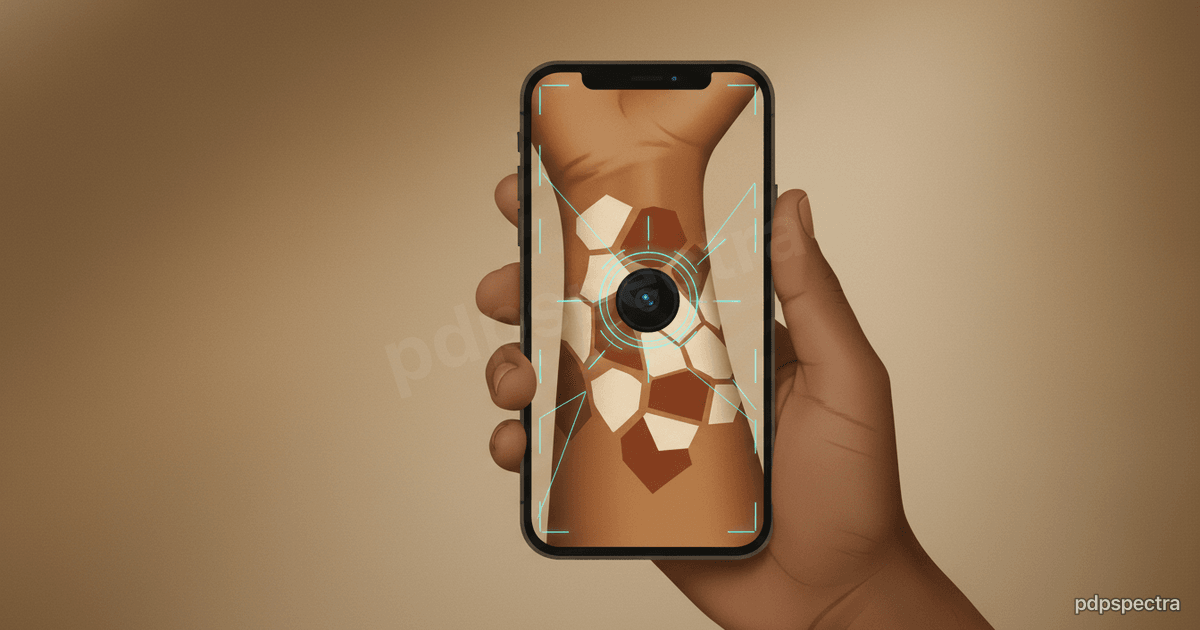
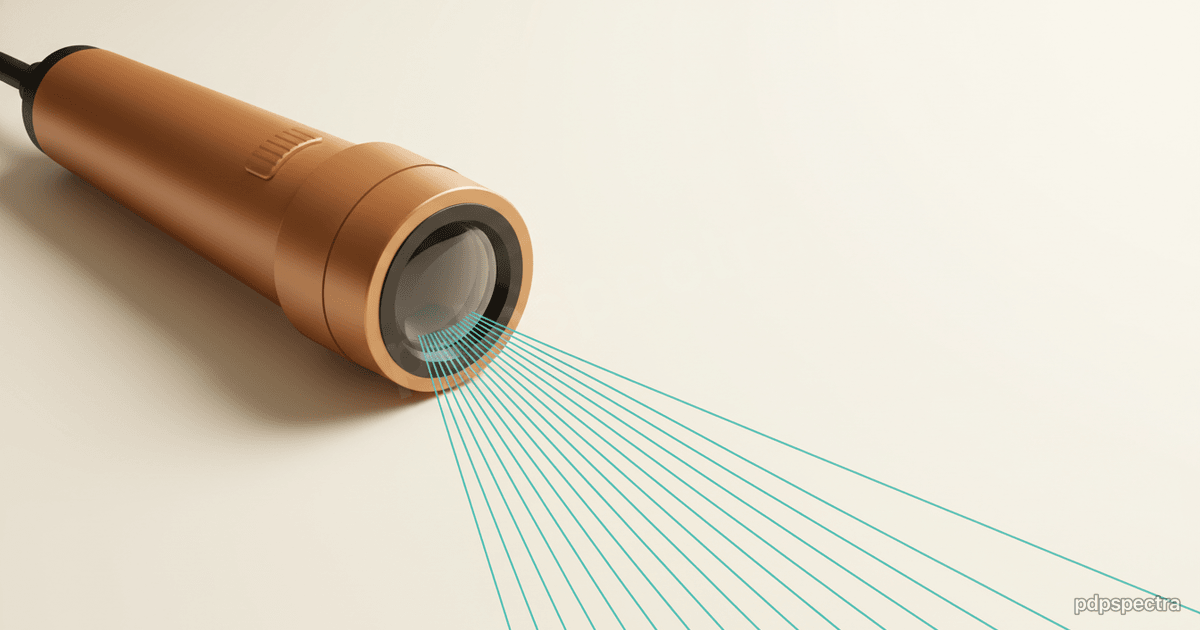
FDA-cleared skin-cancer-detection devices. A handful of products have FDA 510(k) clearance for AI-assisted lesion analysis — notable examples include MelaFind (historical, since wound down), DermaSensor (a handheld elastic-scattering spectroscopy device with AI classification, cleared 2024 for skin-cancer assessment in primary care), and Scibase’s Nevisense (electrical-impedance spectroscopy, FDA-cleared, EU CE-marked). The DermaSensor primary-care clearance is the most consequential recent development because it explicitly targets the non-dermatologist provider workflow.
The technical architecture#
The dominant model class is convolutional or transformer-based classifiers trained on dermoscopic and clinical images, labelled by dermatologists, with histopathology ground truth for the cancer-detection use case. The HAM10000, ISIC archive, and various proprietary datasets anchor the training corpora. Multi-task heads handle lesion segmentation, classification (multi-class — melanoma, basal cell carcinoma, squamous cell carcinoma, dysplastic naevus, benign naevus, seborrhoeic keratosis, dermatofibroma, vascular lesion), and severity scoring.
The honest engineering issue is sensor variability. Mobile-phone cameras vary; lighting varies; skin tone varies; lesion location varies. The serious vendors normalize across this with calibration patches, controlled-lighting accessories, or strict capture protocols. The consumer-app vendors trade accuracy against ease-of-capture and are clear about the trade-off in their clinical positioning.
The demographic-bias problem and what serious vendors do about it#
The well-documented issue: most dermatology training datasets are skewed toward Fitzpatrick skin types I–III (lighter skin tones), with under-representation of Fitzpatrick V–VI (darker skin tones). Models trained on the skewed datasets perform worse on the under-represented tones, with documented sensitivity and specificity gaps. Skin-cancer outcomes are already worse for darker-skinned patients (later presentation, more aggressive subtypes, worse survival), so AI that under-performs in this population compounds an existing equity gap.
The responsible-vendor response in 2026 has hardened. Training-data demographic disclosures are now expected in 510(k) submissions and CE-IVDR conformity assessments. Validation studies stratified by Fitzpatrick scale are published. Targeted data-collection efforts (notably the Centre for Melanoma Research at Howard University, the SLICE project at Stanford, and several Australian collaborations) have produced more diverse training corpora. Model cards explicitly state performance by skin tone.
The remaining honest issue: the gap is narrowing but has not closed. Buyers and clinical leaders should ask for skin-tone-stratified performance data and reject vendors who cannot provide it.
Primary-care deployment and the skin-cancer screening workflow#
The biggest commercial story in 2026 is moving AI-assisted skin-cancer screening into the primary-care setting where most lesions are first noticed. The DermaSensor clearance, the FDA’s broader work on AI in primary-care decision support, and several payer pilots in the US, UK, and Australia are pushing the use case.
The deployment pattern. A primary-care provider during the routine visit notes a lesion of concern, captures an image (phone-based or with a dedicated dermoscope), runs the AI assessment, and follows a structured decision protocol — biopsy in clinic, refer to dermatology, or document for surveillance. The AI’s role is to reduce the false-negative rate of primary-care visual assessment, not to replace dermatologist judgement. Published evidence suggests meaningful sensitivity gains for non-dermatologists at acceptable specificity trade-offs.
Integration with tele-dermatology and EHR systems#
Tele-dermatology — the asynchronous store-and-forward model where a primary-care provider sends images to a dermatologist for a remote read — predates AI but has been augmented by it. The 2026 stack typically has AI pre-screening at submission (flag urgent referrals, draft the consultant’s note), AI second-read after the consultant report, and structured outcomes capture for ongoing model improvement.
EHR integration matters. Epic, Cerner, Athena, and most regional EHRs have media-capture and tele-dermatology workflows that AI vendors must plug into. The image-capture step often lives in a separate device or app and the integration involves DICOM-for-visible-light or proprietary image-format handoffs to the EHR’s media-document store.
Where pdpspectra fits#
We help dermatology AI vendors and the primary-care and specialty buyers design the integration layer, the image-capture pipelines, the validation workflows that the demographic-fairness conversation requires, and the EHR connections. See our AI and LLM integration practice.
Related reading#
- Healthcare AI playbook: pilot to production
- AI in clinical trials in 2026
- Hospital data interoperability
If you are building, deploying, or evaluating a dermatology-AI tool — primary-care, tele-derm, or specialty — and want a pragmatic read on vendor selection, validation, and equity, reach out.