Humanoid Robots in 2026: Figure, Tesla Optimus, 1X, Apptronik
Figure 02 at BMW, Optimus on the Fremont line, Apollo at Mercedes, 1X Neo at home. The humanoid robot race in 2026 is real, foundation-model-driven, and finally shipping.

Humanoid robots in 2026 are finally an industry, not a YouTube demo reel. Figure, Tesla, 1X, Apptronik, Sanctuary, Agility, and Boston Dynamics are all shipping or about to ship. BMW, Mercedes, Amazon, and GXO have signed real pilot agreements. The hardware works well enough; the bottleneck has shifted to foundation-model policies that can generalise across tasks. Helix at Figure and GR00T at NVIDIA are the names to know.
We don’t deploy humanoids for clients, but we do build the data pipelines that feed robotics teams and the back-office systems that surround any manufacturing rollout. So here’s the honest 2026 picture, vendor by vendor, with the engineering story underneath.
Figure: BMW partnership, Helix foundation model#
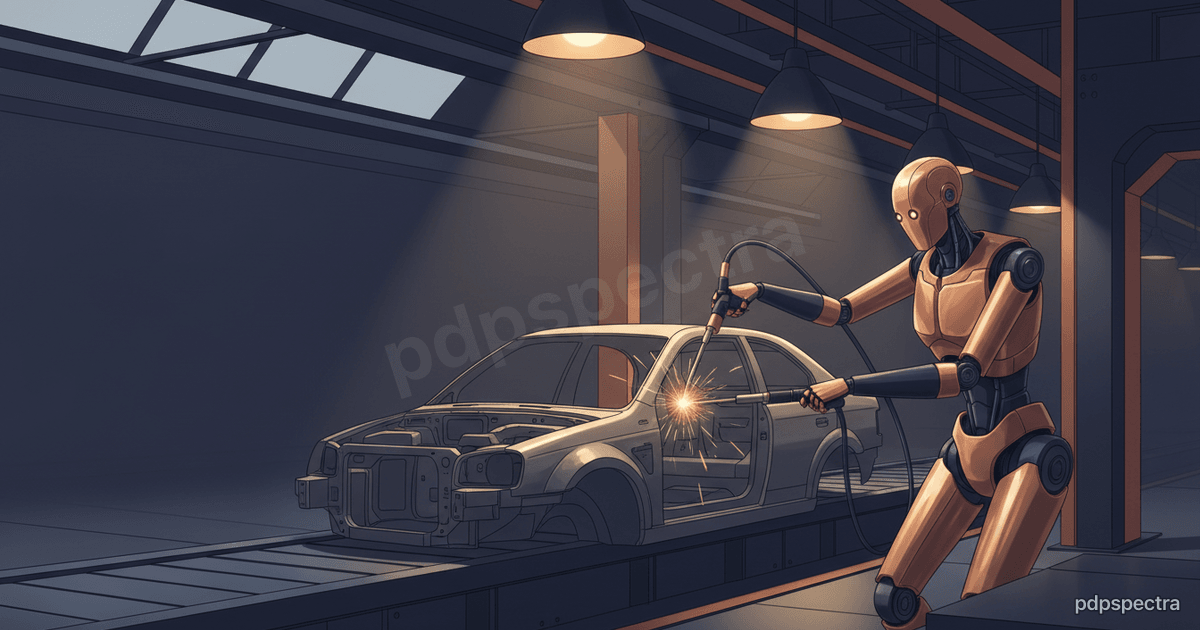
Figure 02 is the second-generation humanoid from Figure AI, the San Jose company that raised at a $2.6B valuation in early 2024 and is now reportedly closing a much larger round. The defining commercial moment was the BMW partnership announced in 2024 — Figure 02 working real shifts at the BMW Spartanburg plant in South Carolina, handling sheet-metal loading and chassis tasks alongside human workers.
What makes Figure interesting is the in-house Helix foundation model, unveiled in early 2025. Helix is a vision-language-action (VLA) model that runs entirely on-board the robot, generating motor commands from natural-language instructions and camera input at 200 Hz. No cloud round-trips, no scripted behaviour trees — the robot reasons about what to do.
That architecture matters. The pre-Helix world had humanoid robots running a separate stack per task: pick up the box, walk to the conveyor, place it. Each task needed engineered policies. Helix collapses that into a single policy that generalises, in the same way GPT collapsed many NLP tasks into one model.
Tesla Optimus: Gen 2 in pilots, Gen 3 in design#
Tesla Optimus has shifted from “we’ll have a million units” press cycle to actual factory pilots. Optimus Gen 2, unveiled late 2023 and refined through 2024-2025, is now running on the Fremont production line in supervised tasks. Elon Musk’s claimed timeline keeps slipping, but the hardware is real and the data flywheel is real — every hour of Fremont teleoperation is training data.
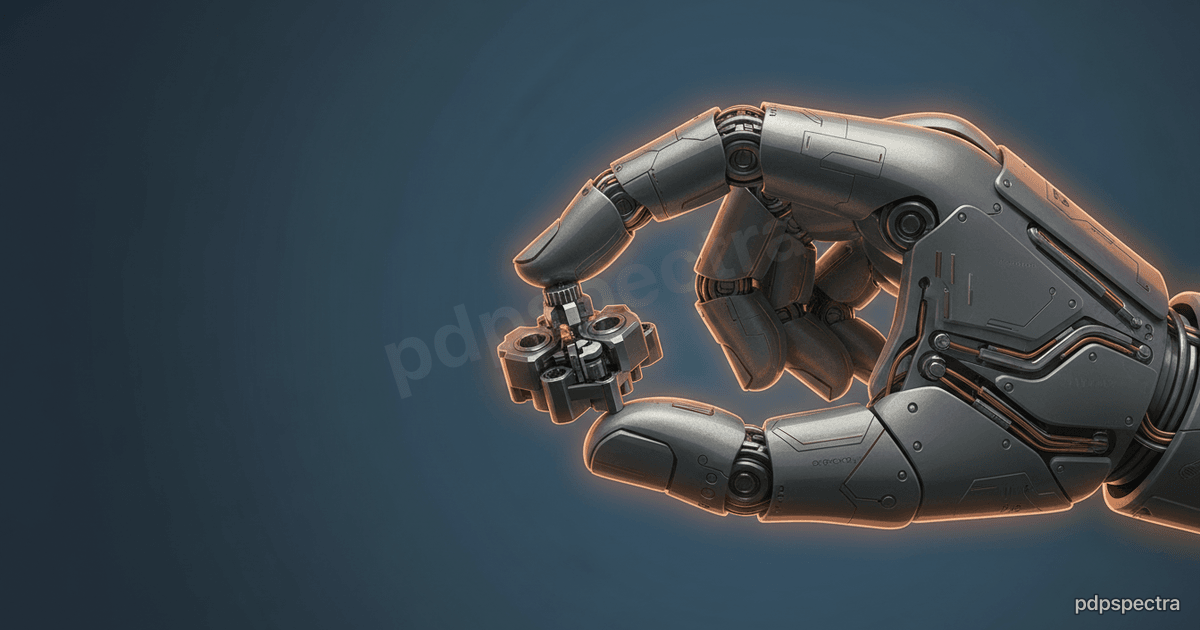
Optimus Gen 3 is in design and expected to address the dexterity gap. The current hand is the weak link; Tesla’s been hiring aggressively for tactile-sensing and gripper R&D. Gen 3 is the version Tesla intends to sell externally, with a target unit price under $30,000.
The honest assessment: Tesla has manufacturing scale that no other humanoid player has. If Optimus works, Tesla can produce them cheaper than anyone. If it doesn’t work, Tesla burned a few billion in a department that wasn’t its core business. Either is possible in 2026.
1X: Neo home robot, Norwegian engineering#
1X (formerly Halodi Robotics) is the Norwegian-American outlier. Where Figure and Tesla target industrial use, 1X is going after the home with Neo — a smaller, softer humanoid designed for residential environments. OpenAI led the 1X Series B in 2023; the public Neo demos in 2024-2025 showed it doing household tasks like folding laundry and unloading dishwashers.
Neo’s bet is that the home market is larger than the factory market and that consumer-grade safety constraints (light weight, soft surfaces, slower movement) are an engineering advantage, not a limitation. Whether consumers will pay $20-40k for a home humanoid in 2026-2027 is the question. The early pilots are research and beta households, not retail.
Apptronik Apollo: Mercedes pilot, the Texas alternative#
Apptronik, spun out of the University of Texas Human Centered Robotics Lab, builds Apollo — a 5’8” humanoid with a focus on logistics and manufacturing. The defining 2024 announcement was a Mercedes-Benz pilot at the Berlin plant, working on intra-logistics tasks. Apptronik also signed a $350M Series A in 2025.
Apollo’s engineering pitch is different from Figure or Tesla: linear actuators (not rotary), modular design, lower cost. The bet is that “good enough” hardware at half the price wins the volume market. Mercedes appears to share that view.
Sanctuary AI: cognitive architecture, slower pace#
Sanctuary AI, Vancouver-based, takes a different approach: emphasis on the cognitive architecture (their Carbon system) more than the hardware. Sanctuary’s robots have hands with high dexterity that exceed most competitors. The trade-off has been slower commercial deployment — Sanctuary is technically more interesting but has fewer publicly-named customers than Figure or Apptronik.
In 2025 Sanctuary partnered with Magna, the auto parts giant, for manufacturing pilots. Whether Sanctuary’s cognitive-first approach scales to mass deployment or remains a research-heavy niche is the open question for 2026-2027.
Agility Robotics Digit: the bipedal logistics specialist#
Agility Robotics’ Digit isn’t a full humanoid — it’s a bipedal logistics robot, with legs but no arms in the traditional humanoid shape (its arms are more like prehensile end-effectors). Digit has been deployed at Amazon and GXO warehouses for tote-handling work since 2023, making Agility the most commercially-deployed humanoid-adjacent company.
Agility opened the RoboFab plant in Salem, Oregon — billed as the first humanoid robot factory — capable of producing 10,000 Digits per year at full scale. That manufacturing maturity is a real moat. If you want to buy 100 humanoid-class robots in 2026 with predictable delivery, Agility is the realistic choice.
Boston Dynamics Atlas: electric, Hyundai-owned#
Boston Dynamics retired the hydraulic Atlas in 2024 and unveiled the all-electric Atlas later that year. Now owned by Hyundai, Atlas is targeting Hyundai’s own factories first. The new electric Atlas is quieter, lighter, more efficient, and built for production deployment rather than research demos.
Boston Dynamics’ history of dazzling videos is well-known. The 2026 question is whether they can translate that engineering depth into shipped-and-used robots in volume, the way Agility has. Hyundai’s manufacturing footprint gives them a captive customer.
The foundation model layer: Helix, GR00T, generalist policies#
The shift that makes 2026 different from 2022 is the foundation model layer. A few names matter:
- Helix (Figure) — VLA model running on-board, owns the full stack from perception to action
- NVIDIA GR00T — generalist foundation model for humanoids, announced at GTC 2024, intended as platform-level infrastructure for the whole industry
- Physical Intelligence (pi) — startup focused on general-purpose robot foundation models, raised $400M in 2024 from Bezos, Khosla, Lux, and Thrive
- Skild AI — another generalist policy startup raised at a $1.5B valuation in 2024
- Tesla Optimus internal stack — undisclosed but presumably leveraging Tesla’s vision-and-driving foundation work
The thesis these companies share: hand-coded behaviour per task does not scale. A single foundation model trained on broad demonstration data generalises to new tasks the way LLMs generalise to new prompts. The early evidence is encouraging; the proof point will be a robot that learns a new task in a customer’s facility from a few demonstrations.
NVIDIA’s role is platform: GR00T plus the Isaac simulation stack plus Jetson Thor edge compute give every humanoid startup a baseline they can adopt rather than build. That’s a meaningful pace-multiplier for the industry.
What the deployments look like in 2026#
A realistic 2026 humanoid deployment looks like this:
- 1-5 robots on a single line at a major OEM (BMW, Mercedes, Hyundai, an Amazon site)
- Tasks chosen for repeatability and tolerance of slow throughput
- Heavy human oversight, with the robot’s role bounded
- A few months to onboard each new task
- Improving with each iteration as the foundation model gets fine-tuned on facility-specific data
This is closer to “a useful new automation tool” than to “humans are being replaced.” The robots augment human teams; they don’t yet operate full unsupervised shifts.
What we tell clients asking about humanoids#
We don’t deploy humanoid robots. We do help clients think through the data and integration patterns that surround any robotics rollout — the data lakes that capture telemetry, the integration with ERP and MES systems, the workforce-management implications. That work matters whether the robot is humanoid or a conveyor-belt picker.
The honest read for most enterprises in 2026: humanoid robots are real and shipping, but the cost-per-deployed-task is still high relative to traditional automation. The asymmetric bet is to start a small pilot with one of Figure / Apptronik / Agility in 2026-2027 to learn the operational shape, while planning the broader robotics-and-AI roadmap with our business automation service.
The companies to watch into 2027#
If we had to pick which 2026 names will still matter in 2027:
- Figure — strongest foundation-model bet, BMW credibility, well-funded
- Tesla — scale, but execution risk and timeline uncertainty
- Agility — manufacturing maturity, real customers, narrow form factor
- Apptronik — cost-conscious play with a serious OEM partnership
- Boston Dynamics — engineering depth, Hyundai captive market
The smaller players (Sanctuary, Unitree’s humanoid, 1X for home) are the wild cards — any one could surprise on the upside.
Related reading#
- Industrial robotics in 2026: FANUC, ABB, KUKA, and the AI motion-planning shift
- Japan robotics industry: precision, aging workforce, and the AI inflection
- Tesla FSD and the robotaxi roadmap
Humanoid robots in 2026 are real, the foundation-model layer is the story, and the BMW and Mercedes pilots are the proof points. If you’re sizing an automation roadmap that intersects robotics, AI, and your data platform, our business automation team builds the integration spine that any robotics deployment needs. Tell us where you’d start.