AI Impact on Greece Jobs and Industries in 2026
How AI is reshaping Greece in 2026 — Beat, Workable, Athens AI hub, Greek shipping dominance, tourism, banking modernisation and post-crisis fintech recovery.

Greece in 2026 looks almost nothing like the Greece of the 2015 debt crisis. The economy is growing faster than the euro area average, foreign direct investment hit record levels in 2025, and Athens is now home to Microsoft’s largest data centre region in southeastern Europe along with Pfizer, Cisco and Deloitte digital hubs. The Greek government’s Biblos National Recovery and Resilience plan ringfenced roughly 350 million euros for AI and digital transformation, and the Hellenic Foundation for Research and Innovation has stood up a dedicated GenAI track. The most underappreciated fact for outsiders is that Greek shipping companies control roughly 20 percent of the world’s deadweight tonnage — and that fleet is being digitised faster than almost any other sector in the country.
Sector-by-sector impact#
Greece’s AI story is uneven by design. Three sectors — shipping, tourism and banking — generate most of the economic activity, and each is moving on a different curve.
Maritime and shipping#
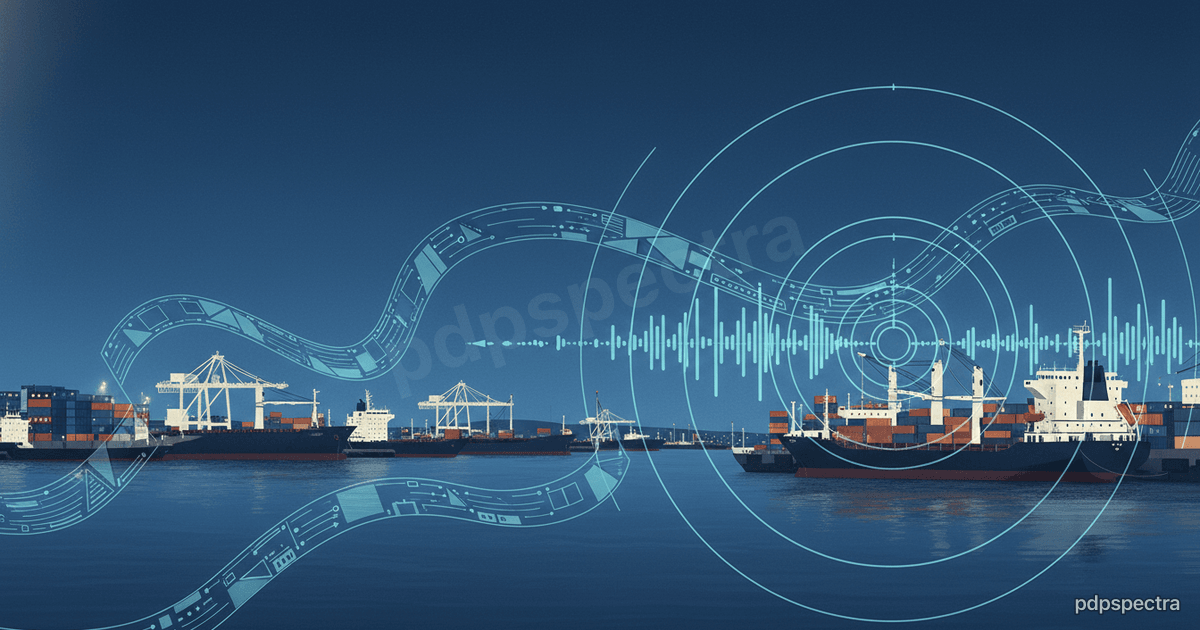
The Greek-owned merchant fleet runs the global wet and dry bulk trades. Companies like Star Bulk, Costamare, Tsakos, Diana Shipping and Angelicoussis Group are deploying AI for voyage optimisation, weather routing, hull performance, fuel decarbonisation reporting under the EU Emissions Trading System and predictive maintenance on main engines. Deepsea Technologies, a Piraeus-based startup, was acquired by Nabtesco in 2023 and continues to scale its Cassandra platform out of Athens. The job impact is concrete — chief engineers and superintendents now spend more time interpreting model outputs than reading paper logbooks, and a new role of fleet data officer has appeared inside the larger Piraeus shipping families.
Tourism and hospitality#
Tourism produces roughly 25 percent of Greek GDP including indirect effects, and the country welcomed more than 36 million international visitors in 2025. AI is showing up in dynamic pricing at hotel chains like Mitsis, Grecotel and Sani Resort, in itinerary personalisation across Aegean and Olympic Air, and in revenue management for short-term rentals on the islands. The Greek National Tourism Organization has piloted predictive visitor flow modelling for Santorini and Mykonos in an effort to manage overtourism.
Banking and fintech#
Greek banks — Alpha, Eurobank, Piraeus and National Bank of Greece — emerged from the long non-performing loan workout in better shape than expected and are now investing seriously in AI. Document understanding for the legacy mortgage book, fraud detection on card and instant payments, and customer service copilots in Greek and English are the three live use cases. Viva Wallet, the merchant acquirer majority owned by JP Morgan since 2022, runs a large engineering team in Athens working on real-time risk decisioning.
Software products#
Workable, the recruiting platform founded in Athens and now headquartered in Boston, runs its largest engineering team in Greece and has shipped GenAI features that draft job descriptions, score CVs and run structured interviews. Beat, originally a Greek ride-hailing platform acquired by Daimler in 2017, exited the market in 2023 but the engineering talent dispersed into the local ecosystem and seeded several mobility and logistics startups. Blueground, the corporate housing platform, runs an Athens engineering centre that has embedded LLMs into its booking and operations stack.
Energy and renewables#
PPC, Mytilineos and Terna Energy have invested in digital twins for thermal, solar and wind assets. The Greek transmission operator IPTO uses machine learning for cross-border interconnector planning with Italy, Bulgaria and the planned Crete-Cyprus-Israel cable.
Job categories growing and shrinking#
The growth roles in Greece are concentrated in three buckets. Maritime data engineers and naval architects with Python and time-series skills, commanding 45,000 to 75,000 euro packages in Piraeus. Software engineers with generative AI experience working for product companies or international hubs, in the 35,000 to 65,000 range in Athens. And risk and compliance analysts at banks who can speak the language of model risk management.
The roles under pressure are template-heavy legal drafting, junior accounting and audit positions, and entry-level call centre work for English-speaking accounts. Greek public sector employment has been more stable, partly because the Mitsotakis administration’s digital government programme has emphasised retraining over replacement.
Geographic distribution#
Athens remains the gravitational centre — the Marousi corridor hosts most multinational digital hubs, while Kifissia and the southern suburbs concentrate shipping families. Piraeus is the maritime capital and now also a logistics AI cluster thanks to the COSCO-operated port. Thessaloniki is the surprise — Pfizer’s Digital Hub, Cisco’s International Center of Digital Transformation and Deloitte’s Innovation Center have made it a credible second pole, and Aristotle University feeds graduates into all three. Patras and Heraklion have smaller but visible research ecosystems tied to FORTH and the University of Patras.

Policy and regulatory framework#
The Ministry of Digital Governance runs the Biblos plan and the national gov.gr platform, which has become a reference point for digital public services in southern Europe. The Hellenic Data Protection Authority has taken a pragmatic stance on the GDPR-AI Act intersection. The Bank of Greece publishes detailed guidance for credit institutions deploying AI, and the Hellenic Capital Market Commission is doing the same for asset managers. The country joined the EuroHPC LUMI consortium and runs the Daedalus AI factory bid in partnership with GRNET.
What is distinctive about Greece#
Three things make Greece different. First, the shipping industry is the single largest privately held cluster in the country and is digitising for environmental compliance reasons rather than cost reasons — that produces different AI use cases than most other European economies. Second, demographics — Greece is ageing rapidly and the public sector is using AI partly to maintain service levels with fewer civil servants. Third, the brain return. Several thousand engineers who left during the crisis years have come back since 2022, and the inflow includes senior people from FAANG and London hedge funds who are now founding or leading AI teams locally.
What to watch in the second half of 2026#
Several specific developments will shape how the Greek AI picture evolves through year end. The Daedalus AI factory bid, if approved through the EuroHPC programme, will give Greek SMEs access to serious compute capacity for fine-tuning Greek-language and multilingual models — and will partially address the foundation model gap that has held back domestic product companies. The Hellenic Capital Market Commission is expected to publish formal guidance for asset managers and pension funds deploying AI for investment decisions, which will create a compliance baseline that did not exist before. Greek shipping companies will face a critical decision window on EU Emissions Trading System compliance — the year one settlement period closes in late 2026 and the data engineering work to support voyage-level carbon accounting is non-trivial. And the post-debt-crisis brain return is being tested by competing offers from Cyprus, Portugal and the UAE for senior AI talent.
Where pdpspectra fits#
We work with Athens-based product companies, Piraeus shipping operators and Thessaloniki digital hubs on the data plumbing that makes AI investments pay off. That usually means building reliable ingestion from fleet sensors, charter party documents, banking core systems or hospitality PMS platforms into a warehouse where models can actually answer questions. Our ML and MLOps practice is the typical starting point for shipping and fintech clients who need production-grade model serving rather than another notebook.
Related reading:
- AI Impact on Italy Jobs and Industries in 2026
- AI Impact on Spain Jobs and Industries in 2026
- AI Impact on UAE Dubai Jobs and Industries in 2026
If you are running an AI initiative inside a Greek shipping group, bank or product company and need the data backbone to keep up, reach out and we will share patterns from comparable engagements.