AI Warehouse Robotics in 2026: Symbotic, Locus, AutoStore and the Throughput Trade-Off
Symbotic, Locus Robotics, AutoStore, Geek+, Berkshire Grey, Amazon Robotics, Fetch — the 2026 warehouse automation map and the trade-offs each system makes.

Warehouse robotics in 2026 is no longer a single market. It has split into three roughly distinct categories — high-throughput fixed automation, flexible goods-to-person, and autonomous mobile robots that ride alongside human pickers — and the vendor choices in each are increasingly settled. This post walks through the major players, the throughput-versus-flexibility trade-off that defines the buying decision, and where the orchestration software actually lives.
The three architectures#
Fixed high-density automation, the world Symbotic and Amazon Robotics inhabit, treats the warehouse as a highly orchestrated mechanical system. Goods move on shuttles, bots and conveyors through pre-designed flows; cases and totes are induced, stored, retrieved and palletised by purpose-built equipment. Throughput is extraordinary and labour-per-unit is low, but the physical layout is fixed for years and the engineering capex runs into tens or hundreds of millions per site. The Walmart-Symbotic partnership, now extended across the full US regional distribution centre network through the end of the decade, remains the largest civilian deployment of this architecture.
Goods-to-person systems — AutoStore, Geek+ shuttle systems, Exotec Skypod, Kardex — sit in the middle. Robots retrieve totes or shelves and bring them to stationary pickers at workstations. The capex is lower than fixed automation, the layout is more reconfigurable, and pick rates per worker improve by three to five times against manual. AutoStore in particular has become the default for e-commerce 3PLs and grocery dark stores across Europe and North America, with thousands of installations.
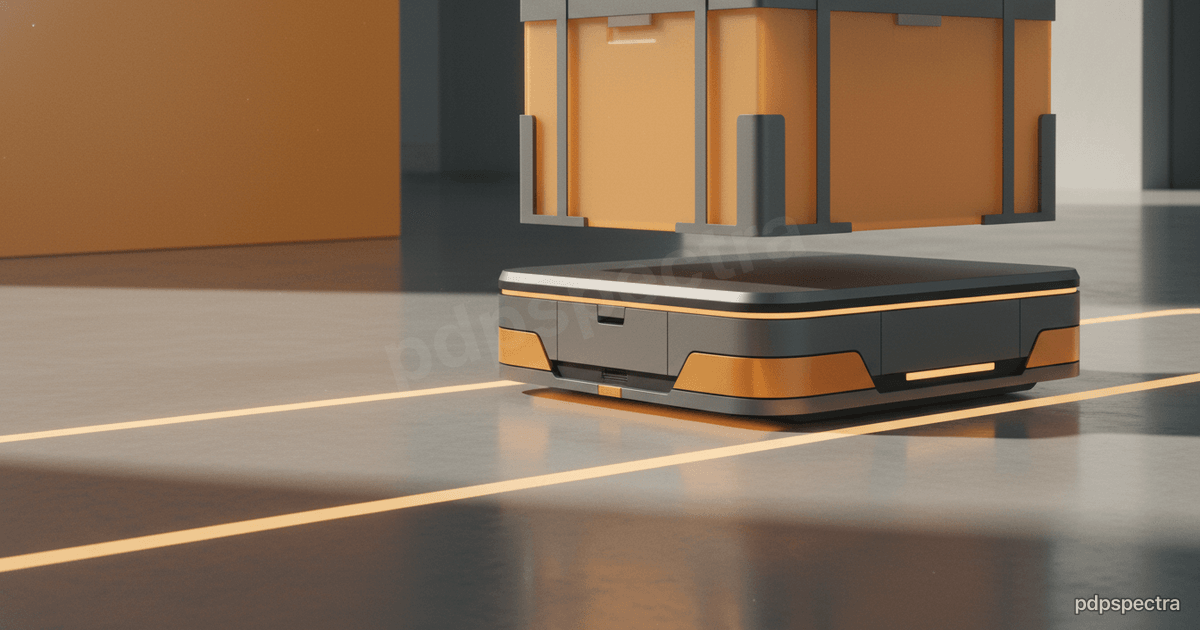
Autonomous mobile robots — Locus Robotics’ LocusBots, Fetch (now part of Zebra Technologies), 6 River Systems’ Chuck (now under Ocado after the Shopify exit), and a long tail of Chinese entrants — ride alongside human pickers in existing facilities. Capex per robot is far lower, deployment is measured in weeks not years, and the productivity uplift comes from reducing walk time. Locus, in particular, has built the largest LaaS (robotics-as-a-service) install base in the industry by mid-2026, with deployments across DHL, GEODIS, and a long list of mid-market 3PLs.
The Symbotic and Berkshire Grey reshuffle#
Berkshire Grey’s acquisition by SoftBank in 2023 and subsequent integration with Symbotic in 2024-2025 has produced one of the most-watched consolidations in the industry. Berkshire Grey’s robotic piece-picking arms — particularly strong in apparel and e-commerce single-unit fulfilment — now slot into Symbotic’s case-and-pallet flows, closing one of the historic gaps in fixed-automation deployments. By 2026 the combined offering covers receiving, storage, case picking, piece picking and palletising under a single orchestration layer, which is something the industry has been talking about for a decade and only just starting to deliver.
The piece-picking problem#
Piece-picking — grasping individual SKUs of varying shapes, sizes and packaging — remained the hardest unsolved problem in warehouse robotics for years and is the area that has moved most in 2024-2026. Berkshire Grey, RightHand Robotics, Covariant (acquired in part by Amazon for its AI talent in 2024), and Pickle Robot all run production deployments now, with grasp-success rates above ninety-five percent on the long-tail SKU mix that defines e-commerce. The breakthrough has been less about robot hardware and more about transformer-based perception models that handle the visual variability of cluttered bins, plus simulation-driven training data that covers the rare grasp failures the systems used to choke on.
The orchestration software#
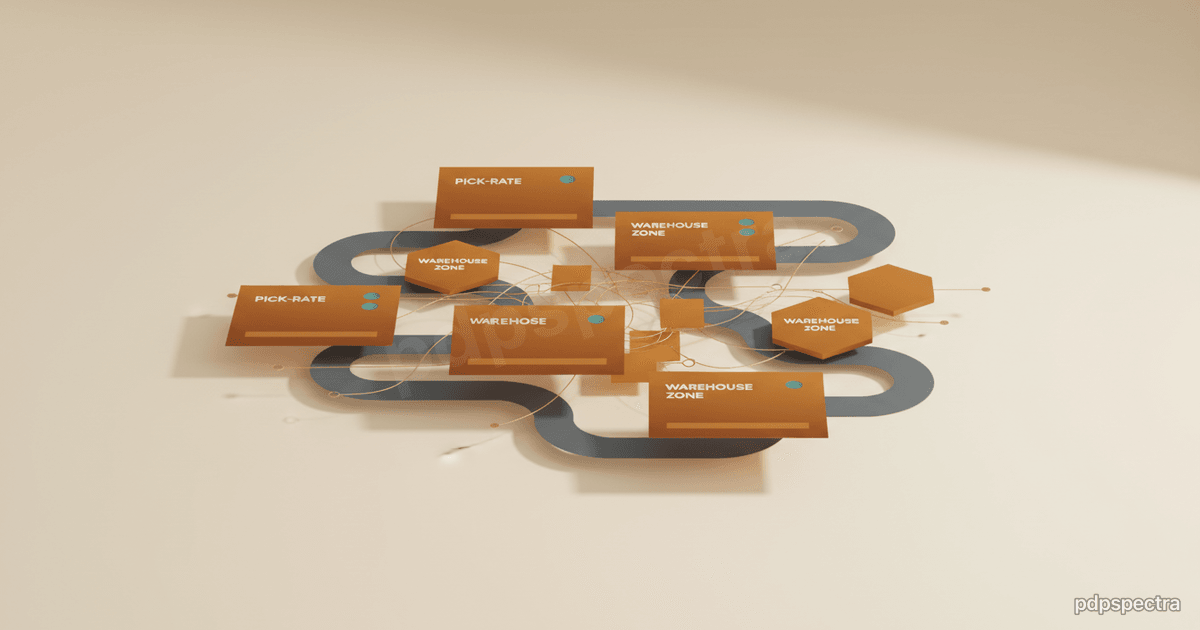
Underneath the robots sits the warehouse execution system. Manhattan Associates, Blue Yonder, Korber, Softeon and SAP EWM remain the heavyweight WMS vendors, but the layer between WMS and robot fleet — the WES (warehouse execution system) — has become the new strategic asset. Symbotic, AutoStore and Locus each ship their own, but multi-vendor sites increasingly rely on independent orchestration layers like Vecna Robotics’ Pivotal, Geek+ RMS, or in-house builds on top of message queues and a shared zone-management service. The orchestration layer is where AI shows up most concretely in 2026 — slotting optimisation, dynamic zone re-balancing, traffic management, and predictive labour planning all run as ML services with the WES as the integration point.
The throughput-versus-flexibility trade-off#
The honest framing of the buying decision is throughput-per-square-foot versus reconfigurability. Symbotic-style fixed automation delivers the highest throughput density and the lowest unit cost at high volume, but the site is committed for ten years and any SKU-mix change that does not fit the design is expensive. AutoStore-style goods-to-person sits in the middle. Locus-style AMR offers the lowest commitment, the fastest deployment, and works in existing buildings, but throughput per square foot is much lower. There is no universally correct answer — Walmart can commit to Symbotic because its volumes and assortment are stable enough; a third-party logistics provider with three-year client contracts almost always lands on AMRs.
Where the technology still struggles#
Three weak spots remain. Cold-chain warehousing — sub-zero ambient — still degrades battery life and sensor reliability enough that fixed automation dominates and AMRs struggle. Multi-temperature consolidation, where ambient, chilled and frozen flows have to converge for grocery delivery, remains an unsolved orchestration problem at most operators. And human-robot collaboration safety in high-density AMR fleets — the OSHA-equivalent concerns about robot density per worker — is still a live area in 2026, with several operators rolling back AMR density after near-miss incidents and the ISO 3691-4 standard getting periodic updates.
Where pdpspectra fits#
Our data engineering practice helps logistics operators build the WES integration, slotting and labour-planning data stack that determines whether a robotics investment delivers on its business case. We work across Symbotic, AutoStore, Locus and Geek+ deployments and build custom orchestration layers for multi-vendor sites.
Related reading: AI fleet routing beyond OR-Tools, AI in supply chain and logistics in 2026, and maritime port operations in 2026.
Warehouse robotics in 2026 is a mature category split into three architectures, each with honest trade-offs. Talk to our team about your automation roadmap.